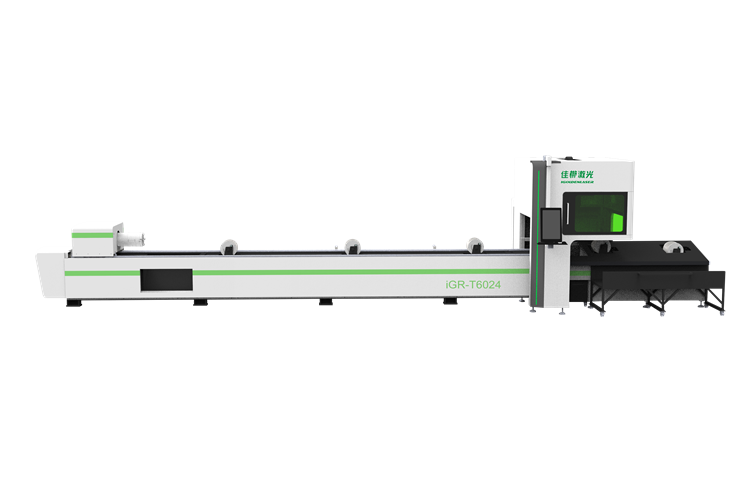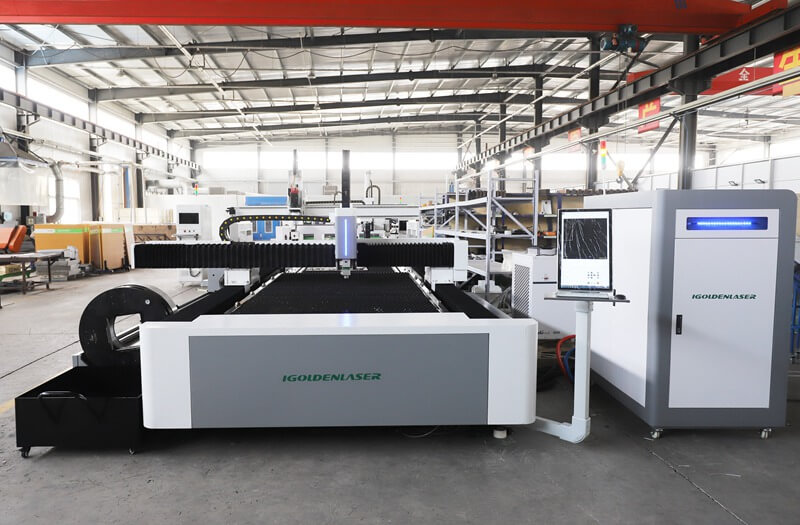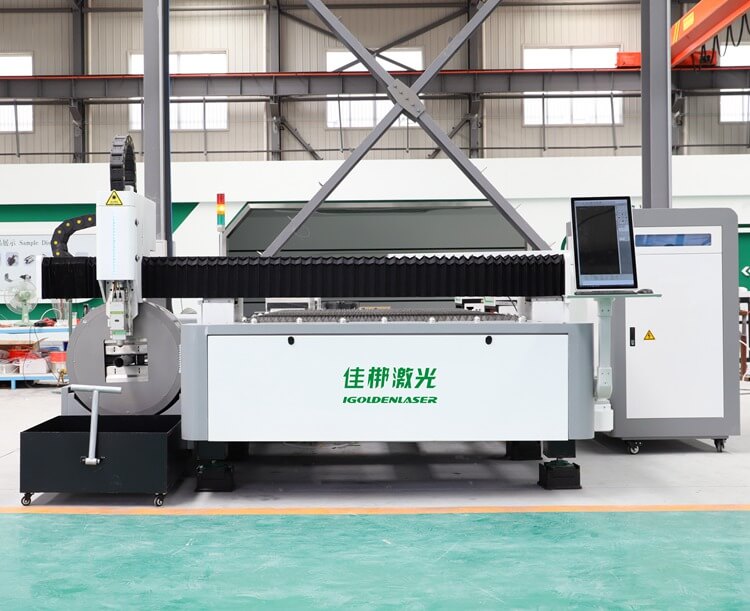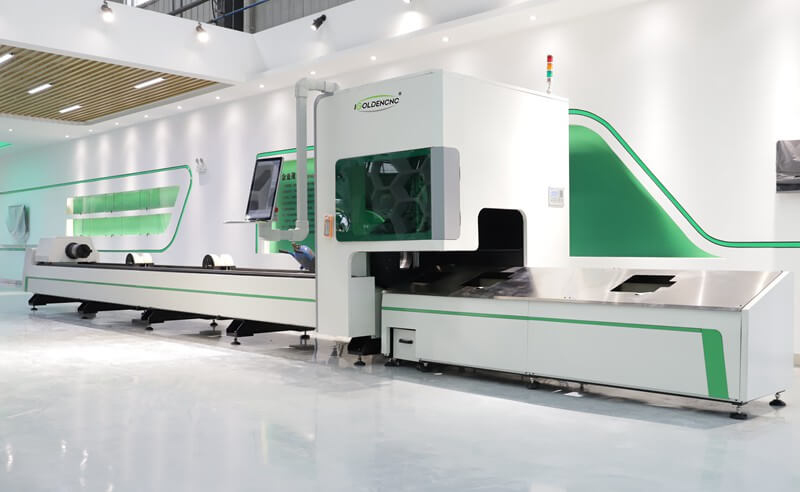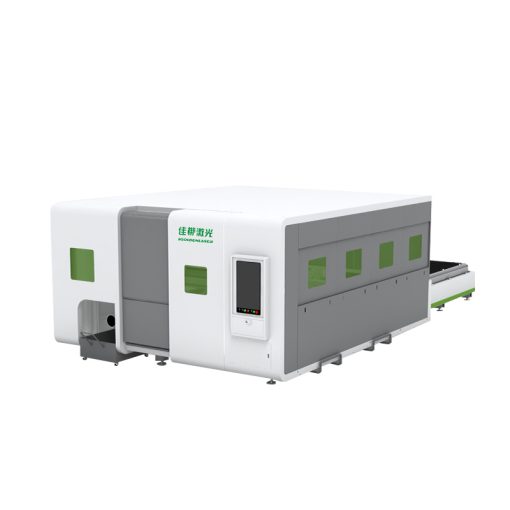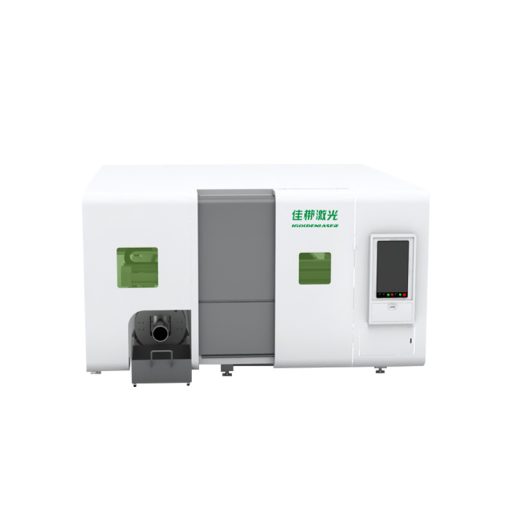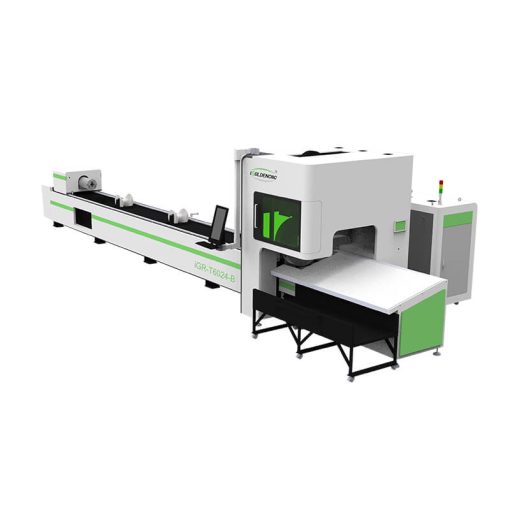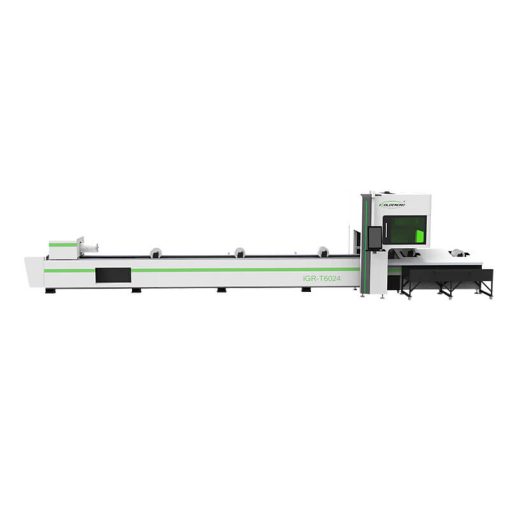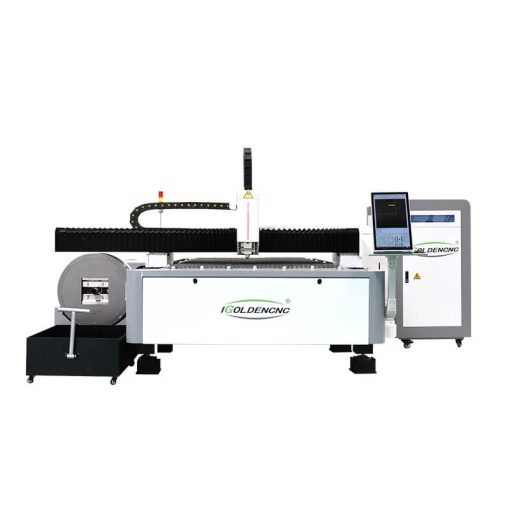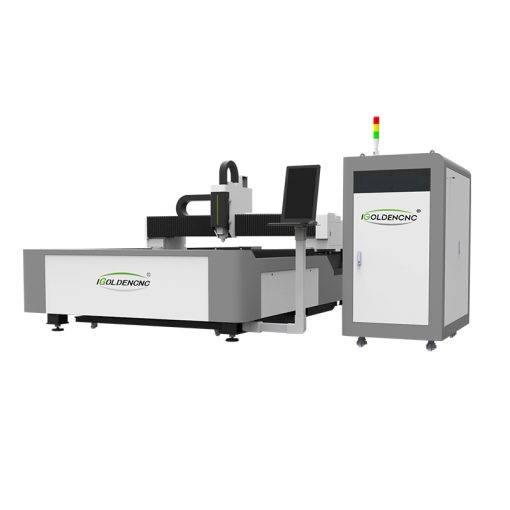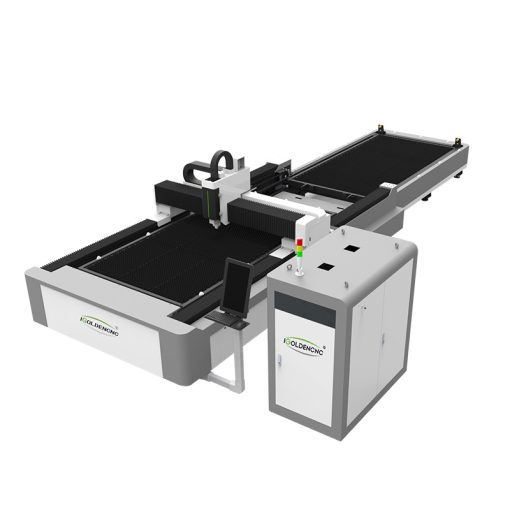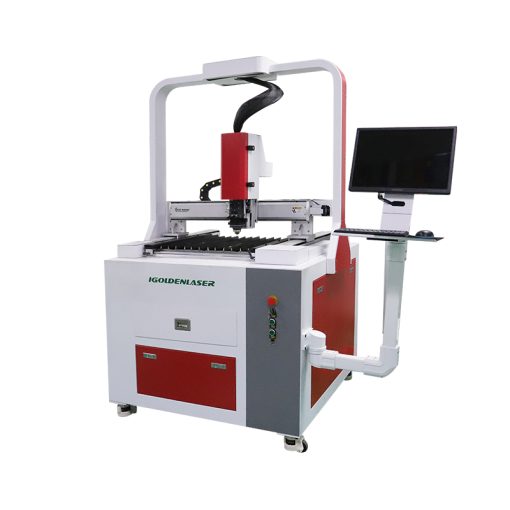
iGR-T Series
Laser Tube Cutting Machine
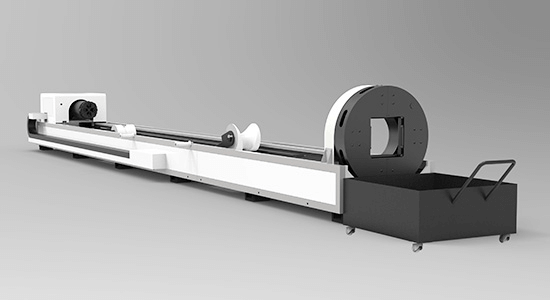
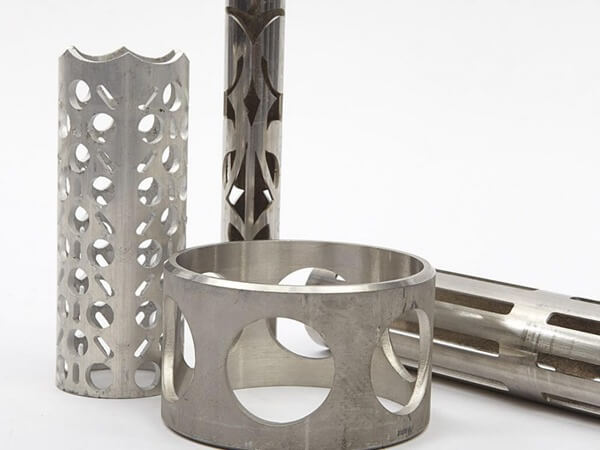
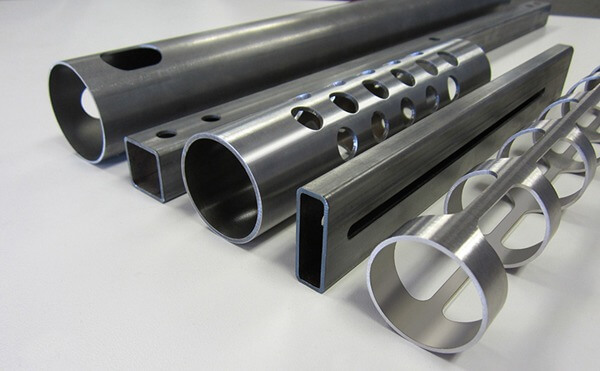
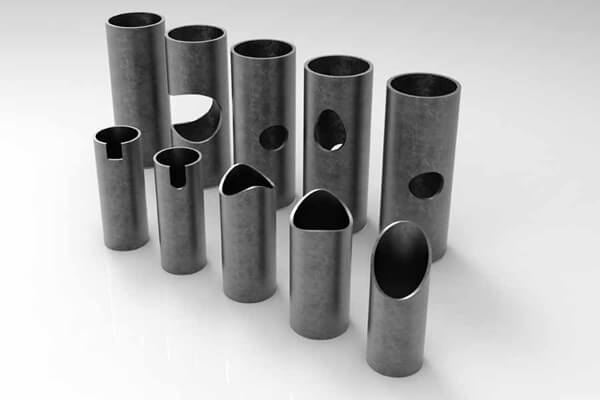
A laser tube cutting machine is a specialized CNC system designed specifically for processing pipes, tubes, and other cylindrical profiles. Unlike flat sheet laser cutters, tube cutting machines incorporate rotary systems that manipulate tubes during cutting, enabling the laser beam to access all surfaces around the circumference. The integration of linear and rotary motion creates three-dimensional cutting capabilities that produce complex profiles, holes, slots, notches, and connection details impossible with conventional tube cutting methods.
Modern systems combine high-power fiber lasers with sophisticated CNC controls, automated material handling, and intelligent software that transforms digital designs into precisely cut components ready for welding, bending, or assembly.
Tube laser cutting machine is specially designed for metal tube cutting laser cutting machine. It can cut round tubes, square tubes, oval tubes, rectangular tubes and irregular tubes. It is equipped with a special cutting operating system, the system is simple to operate, high precision, professional and stable, suitable for professional profile cutting, widely used in sports equipment, oil pipelines, chemical equipment and other industries.
Advantages of Laser Tube Cutting Machine
1. The core transmission components and control system adopt German original parts, with high acceleration and stable dynamic performance.
2. It can realize automatic feeding, aligning and measuring the pipe material, and realize efficient cutting.
3. The intelligent dual-temperature control cold water system realizes independent control of the laser and optical system, and realizes stable operation in harsh environment and climate.
4. The laser pipe cutting machine adopts an automatic discharging system to recover the processed workpieces and slow down manual intervention.
5. The laser pipe cutting machine adopts self-centering chuck design, light weight, high response dynamics, and air source rotating supply mode.
6. It can process and cut a variety of different pipe shapes, sizes and thicknesses.
TECHNICAL PARAMETER
| Model | T6016 | T6024 | T6036 |
| Max. processing range | φ10-φ160 square tube□10-160 | φ10-φ240 square tube□10-240 | φ20-φ350 square tube□20-350 |
| Min. surplus | 200mm | ||
| Y-axis positioning accuracy | ±0.03mm | ||
| X/Z axis repeated positioning accuracy | ±0.02mm | ||
| Max. moving speed | 120m/min | ||
| Max. acceleration | 1.2G | 1.5G | 2.0G |
| Max. load of chuck | 180kg | 400kg | 600kg |
| Chuck power mode | Full pneumatic self-centering chuck | ||
| Optional pipe length | 3 meters and 6 meters are standard | ||
| Add automatic loading | Yes | ||
| Input power | 380V/50-60Hz | ||
Optional laser power 1000W-6000W; Optional countertop 6016/6024/6036; 3 meter tube and 6 meter tube are standard.
Support customization
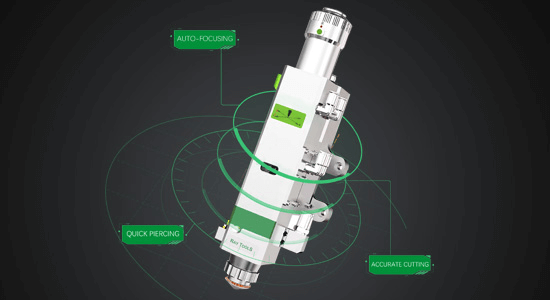
Autofocus laser cutting head
Auto focus, without manual adjustment, the focus speed is increased by 10 times, and the repeatability is 50 microns.
Multi-level perforation, supports continuous focusing, and completes automatic cutting of plates of different thicknesses and materials.
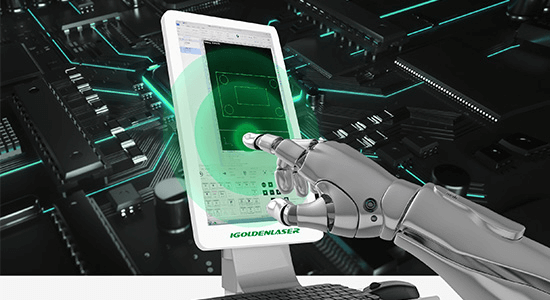
Intelligent Control System
The pipe surface profile correction function can effectively compensate the regular cutting deviation for workpieces with stable deviation of the pipe surface, reduce the accuracy requirements for raw materials, and reduce waste.
One-key processing, batch processing can be set to realize batch processing and improve processing efficiency.
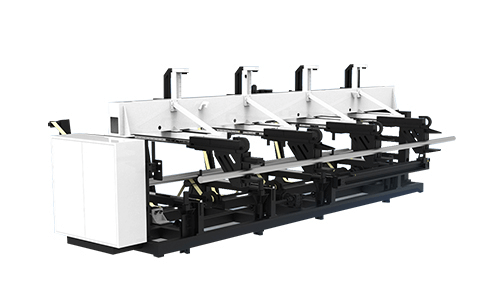
Automatic feeding device workflow
- Pipe loading: lift bundles of pipe into the material stack, cut the binding rope, and wait for loading;
- Power-on reset: start the power supply, each component start reset;
- Tube suspender pulling tube loading: motor drives the suspender spindle, the suspender rolls up, pulls up the tube in the material stack and puts it on the chain conveyor;
- Synchronous feed roller chain conveyor is driven by servo motor through precision reducer and synchronous shaft to transfer the pipe to the front end of the topper.
- The ejector is driven synchronously by a servo motor. Good synchronization, can accurately separate a single pipe to transfer to the telescopic feeding arm.
- The telescopic feeder is driven by the servo motor through the precision reducer and synchronous shaft, and sends the pipe to the target position of the laser pipe cutting machine.
- The laser pipe cutter picks up the pipe and completes the cutting.
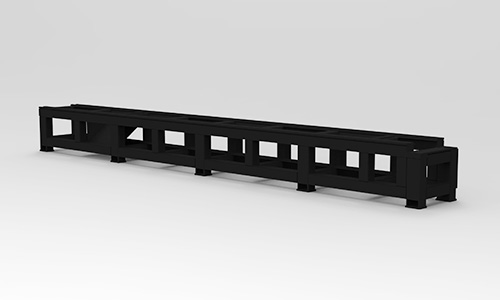
High strength welded bed
The bed is machined and annealed by large planer to eliminate internal stress and provide higher tensile strength and rigidity.
Integrated equal strength welding bed, equipped with high precision rack guide to ensure machining accuracy.
Dual pneumatic automatic chuck
Both sides of the electric chuck design, one key to open the chuck, automatic open worry;
The speed is 3 times that of the electric chuck, reducing the loading waiting time pneumatic clamping, clamping force is large, stable, not loose, not slipping on the heavy pipe, to ensure cutting accuracy.
Application of Laser Tube Cutting Machine
Metal tube cutting machine, round tube, square tube, rectangular tube, oval tube, long round tube (runway circle), angle steel, channel steel fiber laser tube cutting machine, stainless steel tube laser cutting machine, laser tube cutting machine suitable for round tube, square Tube, rectangular tube, flat tube, U-shaped tube and other special-shaped tube cutting machine manufacturers.
The tube laser cutting machine has the ability to easily cut various materials, such as stainless steel, carbon steel, aluminum and aluminum alloy, copper, brass, bronze, titanium and other metal tubes, and the thickness range that can be cut is from 0.5mm to 10mm or more.
Laser Tube Cutting Machine FAQ
| 500W | 1000w | 1500W | 2000W | 3000W | |||
| Material | Thickness | Gas | 1. Cutting Speeds(m/min) | Cut Speed(m/min) | Cut metal Speed(m/min) | Cut-ting Speed(m/min) | Cutting Speed(m/min) |
| Carbon Steel | 1 | O2 | 7.0–9.0 | 8.0–10 | 15–26 | 24–30 | 30–40 |
| 2 | 3.0–4.5 | 4.0–6.5 | 4.5–6.5 | 4.7–6.5 | 4.8–7.5 | ||
| 3 | 1.8–3.0 | 2.4–3.0 | 2.6–4.0 | 3.0–4.8 | 3.3–5.0 | ||
| 4 | 1.3–1.5 | 2.0–2.4 | 2.5–3.0 | 2.8–3.5 | 3.0–4.2 | ||
| 5 | 0.9–1.1 | 1.5–2.0 | 2.0–2.5 | 2.2–3.0 | 2.6–3.5 | ||
| 6 | 1.4–1.6 | 1.6–2.2 | 1.8–2.6 | 2.3–3.2 | |||
| 8 | 0.8–1.2 | 1.0–1.4 | 1.2–1.8 | 1.8–2.6 | |||
| 10 | 0.6–1.0 | 0.8–1.1 | 1.1–1.3 | 1.2–2.0 | |||
| 12 | 0.5–0.8 | 0.7–1.0 | 0.9–1.2 | 1.0-1.6 | |||
| 14 | 0.5–0.7 | 0.7–0.8 | 0.9–1.4 | ||||
| 16 | 0.6–0.7 | 0.7–1.0 | |||||
| 18 | 0.4–0.6 | 0.6–0.8 | |||||
| 20 | 0.5–0.8 | ||||||
| 22 | 0.3–0.7 | ||||||
| Stainless Steel | 1 | N2 | 8.0–13 | 18-25 | 20–27 | 24-30 | 30–35 |
| 2 | 2.4–5.0 | 5-7.5 | 8.0–12 | 9.0–12 | 13–21 | ||
| 3 | 0.6–0.8 | 1.8–2.5 | 3.0–5.0 | 4.0–6.5 | 6.0-10 | ||
| 4 | 1.2–1.3 | 1.5–2.4 | 3.0–4.2 | 4.0–6.0 | |||
| 5 | 0.6–0.7 | 0.7-1.3 | 1.8-2.5 | 3.0–5.0 | |||
| 6 | 0.7–1.0 | 1.2-1.8 | 2.0–4.0 | ||||
| 8 | 0.7-1.0 | 1.5–2.0 | |||||
| 10 | 0.6–0.8 | ||||||
| 12 | 0.4–0.6 | ||||||
| Aluminum/brass | 1 | N2 | 4.0–5.5 | 6.0-10 | 10–20 | 15-25 | 25–38 |
| 2 | 0.7–1.2 | 2.8-3.6 | 5.0–7.0 | 7–10 | 10–18 | ||
| 3 | 0.7–1.5 | 2.0–4.0 | 4.0-6.0 | 6.5–8.0 | |||
| 4 | 1.0–1.5 | 2.0-3.0 | 3.5–5.0 | ||||
| 5 | 0.7–1.0 | 1.2-1.8 | 2.5–3.5 | ||||
| 6 | 0.7-1.0 | 1.5–2.5 | |||||
| 8 | 0.6-0.8 | 0.7–1.0 |
Fiber lasers cut faster, handle reflective metals, require less maintenance, and have no consumables. Compared to plasma or saw cutting, they produce smoother edges and eliminate many secondary operations
The fiber laser cutter pipe is mainly used for cutting carbon steel,stainless steel, steel, titanium alloy, pickling board, galvanized steel sheet, aluminum zinc plate, silicon steel, aluminum alloy, copper and many different types of metal materials.
Chuck Systems: Entry-level machines use manual chuck adjustments suitable for businesses processing limited tube diameter ranges. Semi-automatic systems speed diameter changes for varied production mixes. Fully automatic chuck systems with quick-change jaws minimize setup time, ideal for job shops handling diverse tube sizes daily.
Loading Automation: Manual loading suits low-volume operations or businesses with varied tube types. Semi-automated systems with roller conveyors reduce operator effort while maintaining flexibility. Fully automated loading with material storage racks enables lights-out manufacturing, maximizing machine utilization.
Cutting Head Technology: Standard 2D cutting heads handle most applications efficiently. Advanced 3D cutting heads with bevel capability create weld-ready edges and compound angles essential for structural applications. Multi-axis heads enable complex intersection profiles impossible with simpler configurations.
Size Capacity: Compact machines accommodate tubes from 20mm to 200mm diameter and 6-meter lengths, suitable for furniture, fixtures, and light fabrication. Industrial systems handle 400mm+ diameter pipes and 12-meter lengths, serving structural steel, large equipment manufacturing, and heavy industrial applications.
Automotive & Aerospace
Cutting exhaust systems, roll cages, frames, and lightweight brackets from steel and aluminum tubing. Laser tube cutting machines deliver repeatable accuracy for safety-critical parts, meeting strict industry tolerances.
Construction & Structural Steel
Processing stair rails, beams, trusses, and architectural profiles with speed and consistency. CNC tube lasers handle heavy steel sections and reduce on-site finishing.
Furniture & Fixtures
Creating tubular frames, shelving, and retail displays with decorative cuts and clean joints. Laser tube cutting machines deliver smooth finishes that require no secondary polishing.
Agriculture & Equipment
Fabricating machine frames, arms, and irrigation systems from thick-walled tubing. Tube lasers ensure rugged components fit together cleanly and last longer in the field.
Fitness Equipment
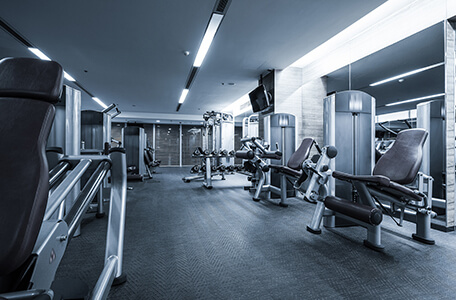
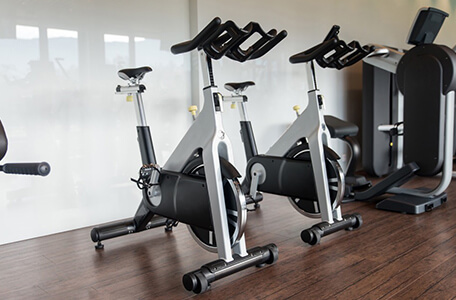
Producing frames and supports for treadmills, exercise bikes, weight machines, outdoor gyms, and other playground equipment. Laser-cut tubing allows for ergonomic designs with consistent strength and finish.
Renewable Energy
In the renewable energy sector, laser tube cutters are used to manufacture precise, durable components for solar panel mounts, wind turbine frames, and support structures. Their ability to cut complex profiles and tight tolerances ensures secure assembly, efficient material use, and long-lasting performance in demanding outdoor environments.
HVAC Systems
Laser tube cutters are used in the HVAC industry to produce precise duct work components, frames, brackets, and piping assemblies of different diameters. Their high accuracy and clean edge quality allow for tight-fitting joints and efficient airflow, improving system performance while reducing fabrication time and material waste.
General Manufacturing
Cutting handrails, pipe fittings, and custom tubular profiles across a variety of metals. Laser tube cutting machines give fabricators flexibility to switch quickly between jobs.
Unparalleled Precision: Laser tube cutting achieves positioning accuracy within ±0.1mm, ensuring components fit together perfectly during assembly. This precision eliminates the fit-up problems, gaps, and misalignments common with traditional cutting methods. For manufacturers producing assemblies from multiple tube components, this accuracy reduces welding time and improves final product quality dramatically.
Complex Geometry Capability: Create intricate cutouts, angled ends, intersecting openings, and decorative patterns that conventional tools cannot achieve. Coped tube ends for perfect weld joints, mounting brackets integrated into tube surfaces, and artistic perforations all execute automatically. This capability expands design possibilities while eliminating secondary machining operations.
Exceptional Speed: Laser cutting operates at speeds dramatically exceeding traditional methods. What might take minutes with saws and drills completes in seconds with laser technology. This speed advantage multiplies productivity, reducing per-part costs and enabling rapid turnaround times that satisfy demanding customers.
Superior Edge Quality: Laser-cut edges are smooth, burr-free, and often require no secondary finishing. Traditional cutting methods leave rough edges, burrs, and distortion requiring grinding, filing, or deburring. Eliminating these secondary operations saves substantial labor while accelerating production schedules.
Material Versatility: Process carbon steel, stainless steel, aluminum, copper, brass, and specialty alloys with the same equipment. Wall thicknesses from thin-gauge tubing through heavy-wall pipe cut efficiently with parameter adjustments through software alone—no tooling changes required.
Eliminated Consumables: Unlike plasma cutting requiring regular nozzle and electrode replacement, or mechanical methods dulling blades and drill bits constantly, laser cutting has minimal consumable costs. Protective lenses and assist gas represent the primary ongoing expenses, both modest compared to traditional method consumables.
Digital Workflow: CAD/CAM integration means designs transfer directly to machines without manual programming or template creation. Design changes implement immediately through software updates rather than creating new fixtures or tooling. This digital workflow suits custom fabrication, rapid prototyping, and frequent design iterations.
Entry-level CNC tube laser systems (800W – 1.5 kW) start around $20,000-$30,000. Professional Systems (3-6 kW) start at $30,000-$40,000. Larger, industrial fully automated systems with higher power and advanced features can range from $20,000-$450,000+.
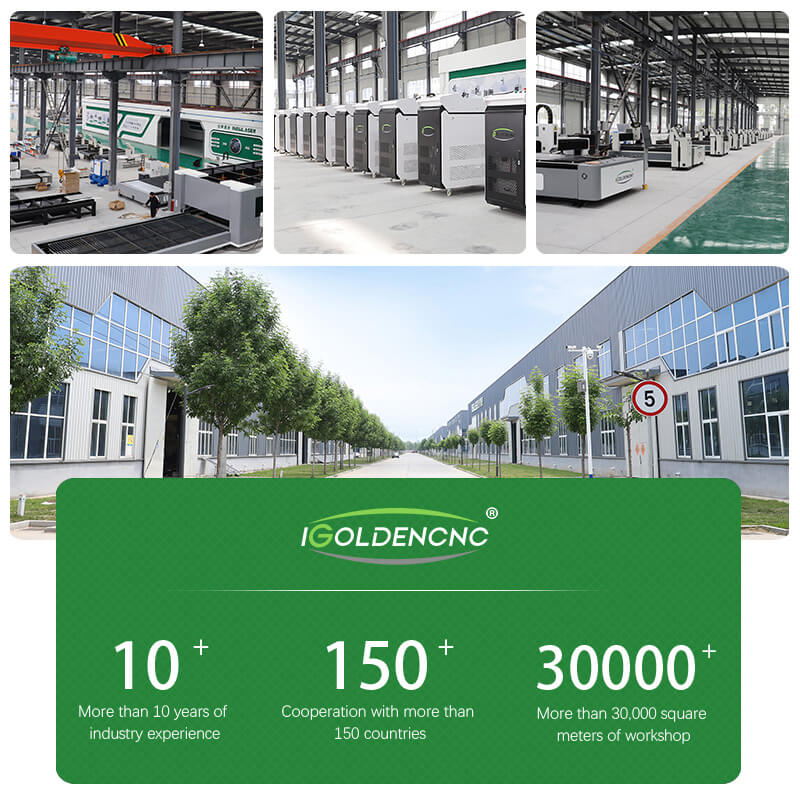
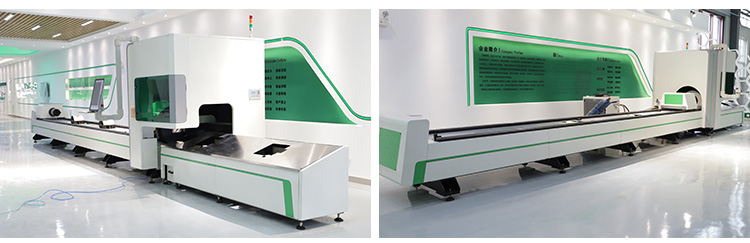
Production Facility
International Shipping Around the World