
Laser Knowledge
What Is Laser Welding and How Does It Work?
Laser welding is an advanced joining process that uses a highly focused laser beam to melt and fuse two or more pieces of metal together. The laser generates an extremely concentrated heat source, creating narrow, deep welds with minimal heat distortion and exceptional precision.
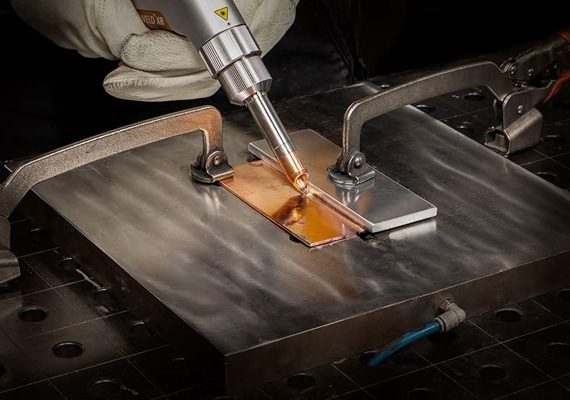
Compared with traditional welding methods such as MIG, TIG, and arc welding, laser welding offers faster welding speeds, cleaner weld seams, lower heat input, and easier automation. It has become one of the most important manufacturing technologies in industries such as automotive, aerospace, electronics, medical devices, battery manufacturing, kitchen equipment, and sheet metal fabrication.
What Is Laser Welding?
Laser welding is a non-contact welding process that uses a focused beam of coherent light instead of an electric arc or flame. The laser beam delivers a large amount of energy to a very small spot, rapidly melting the base material. As the laser moves along the joint, the molten metal cools and solidifies, creating a strong and permanent weld.
Modern industrial laser welding systems primarily use fiber laser technology, which provides excellent beam quality, high energy efficiency, and long service life.
How Does Laser Welding Work?
Laser welding works on a wide range of materials, including metals (i.e., aluminum, copper, brass, steel, titanium, and nickel), plastics (like polycarbonate, nylon, and ABS), and even some ceramics (particularly alumina and zirconia). Carbon fiber-reinforced plastics are amenable to this technique, and there’s some advanced research and early success in laser welding metal parts to carbon fiber composites. It can even weld materials with differing thicknesses and properties together—something that can’t be said of most other welding techniques.

Whether or not you can weld something with this method will depend on the material’s physical properties; for instance, its melting temperature, albedo, thermal conductivity, and the point at which it melts just before it starts to char. The operator will need quite a bit of experience to use it properly, efficiently, and safely, especially for highly reflective materials, but practice makes perfect! (Some training wouldn’t go amiss, either).
The equipment for this welding method, however, is rather expensive and costs more than electrical or traditional thermal welding machinery. Some laser welding machines are also high maintenance, further increasing the cost. Though laser welding is effective on a vast range of materials, many plastics and ceramics cannot be welded for thermal and chemical reasons. Also, if you’re not very careful and don’t wear all the correct safety gear, laser welding can be dangerous (we’re talking burns and eye injuries … not nice).
What Is the Process of Laser Welding?
The laser welding process consists of several precise steps:
Step 1: Laser Beam Generation
The fiber laser source generates a high-intensity laser beam. Inside the laser source, optical fibers amplify light energy to produce a stable, high-power beam.
Modern laser welding machines commonly use:
- 1000W Fiber Laser
- 1500W Fiber Laser
- 2000W Fiber Laser
- 3000W Fiber Laser
- 6000W Fiber Laser
Higher power enables deeper penetration and faster welding speeds.

Step 2: Beam Transmission
The laser beam is transmitted through a flexible optical fiber to the welding head.
Inside the welding head, precision focusing lenses reduce the beam diameter to an extremely small spot, typically between 0.2 mm and 0.6 mm.
This creates an extremely high energy density.
Step 3: Material Melting
When the focused laser reaches the workpiece, the metal absorbs the laser energy and heats rapidly.
Within milliseconds:
- The metal surface melts.
- A molten weld pool forms.
- If sufficient power is applied, a keyhole develops, allowing the laser to penetrate deeply into the material.
Step 4: Weld Formation
As the laser travels along the joint, the molten metal follows behind the beam.
The material then cools naturally and solidifies, forming a strong metallurgical bond with excellent mechanical properties.
Step 5: Finished Weld
The finished weld typically features:
- Smooth weld appearance
- Narrow heat-affected zone (HAZ)
- Deep penetration
- Minimal distortion
- Little or no post-processing
Main Components of a Laser Welding Machine
A typical fiber laser welding machine consists of:
- Fiber laser source
- Laser welding head
- CNC or handheld control system
- Water or air cooling system
- Wire feeder (optional)
- Protective gas supply
- Motion control system
Each component works together to ensure stable and precise welding performance.
Materials That Can Be Laser Welded
Laser welding is suitable for a wide range of metals, including:
| Material | Weldability |
|---|---|
| Stainless Steel | Excellent |
| Carbon Steel | Excellent |
| Aluminum | Very Good |
| Galvanized Steel | Very Good |
| Copper | Good (with proper settings) |
| Brass | Good |
| Titanium | Excellent |
| Nickel Alloys | Excellent |
The appropriate laser power and welding parameters depend on the material type and thickness.
Advantages of Laser Welding
High Welding Speed
Laser welding can be 2 to 10 times faster than traditional TIG welding, making it ideal for high-volume production.
Minimal Heat Distortion
Because the laser concentrates heat into a very small area, the surrounding material experiences minimal thermal expansion.
This reduces:
- Warping
- Shrinkage
- Post-weld corrections
Excellent Weld Quality
Laser welding produces:
- Narrow weld seams
- Smooth surfaces
- High strength
- Consistent quality
- Minimal spatter
Many parts require little or no grinding after welding.
High Precision
Laser welding is well suited for:
- Thin sheet metal
- Precision components
- Small parts
- Intricate assemblies
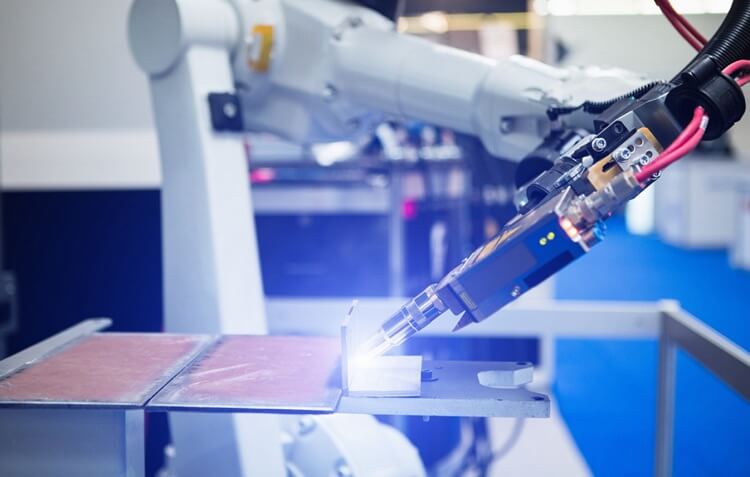
Easy Automation
Laser welding systems can be integrated with:
- Industrial robots
- CNC positioning systems
- Automatic conveyors
- Vision inspection systems
This makes laser welding ideal for smart manufacturing and Industry 4.0 production lines.
Applications of Laser Welding
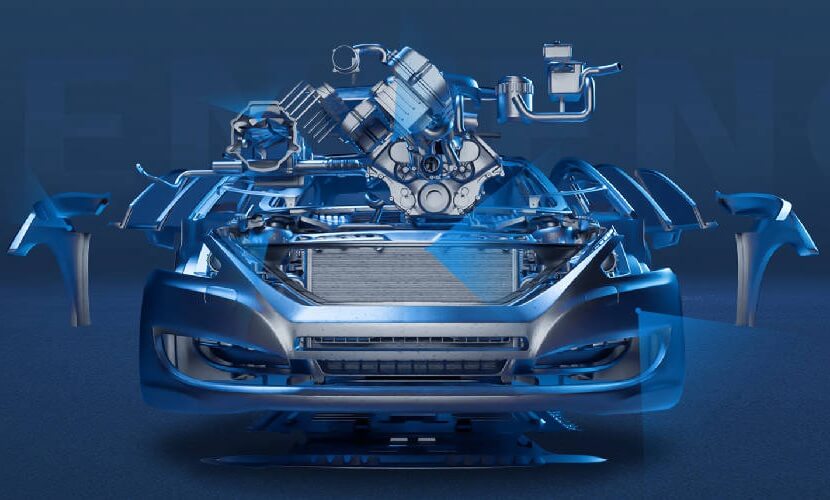
Automotive Industry
Laser welding is widely used for:
- Vehicle body structures
- Exhaust systems
- Battery packs
- Chassis components
- Seat frames
Sheet Metal Fabrication
Manufacturers use laser welding to produce:
- Electrical cabinets
- Metal enclosures
- HVAC equipment
- Stainless steel furniture
Kitchen Equipment Manufacturing
Applications include:
- Stainless steel sinks
- Cabinets
- Food-processing equipment
- Commercial kitchen appliances
Medical Industry
Laser welding is ideal for:
- Surgical instruments
- Medical implants
- Precision stainless steel components
Electronics Industry
Laser welding is used for:
- Battery tabs
- Electrical connectors
- Sensors
- Precision electronic assemblies
Laser Welding vs Traditional Welding
| Feature | Laser Welding | TIG Welding | MIG Welding |
|---|---|---|---|
| Welding Speed | Very High | Medium | High |
| Precision | Excellent | Excellent | Good |
| Heat Input | Very Low | Medium | High |
| Distortion | Minimal | Moderate | Moderate |
| Automation | Excellent | Limited | Good |
| Post-Processing | Minimal | Moderate | Moderate |
Laser welding provides a clear advantage for manufacturers seeking high productivity and precision.
How to Choose the Right Laser Welding Machine
When selecting a laser welder, consider:
Material Type
Different metals require different welding parameters and laser power.
Material Thickness
- Thin sheets: 1000W–1500W
- Medium thickness: 1500W–2000W
- Heavy fabrication: 3000W or above
Production Volume
- Handheld laser welders are ideal for repair work and small workshops.
- Robotic laser welding systems are better suited for automated, high-volume production.
Cooling Method
- Air-cooled systems are compact and portable.
- Water-cooled systems are better for continuous industrial operation.
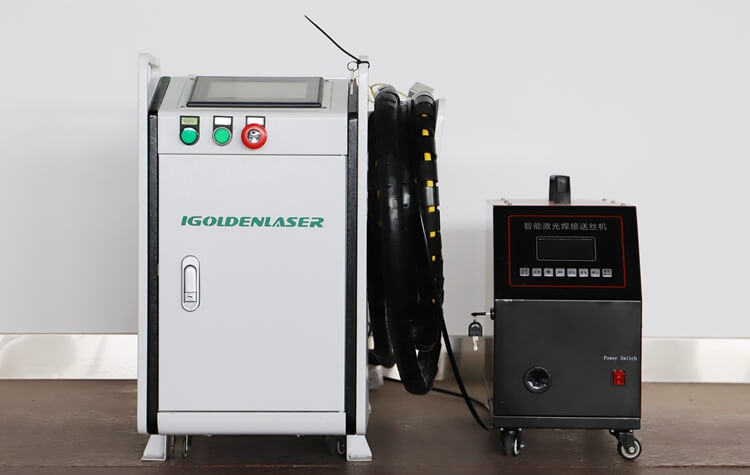
Why Choose iGOLDENLASER Fiber Laser Welding Machines?
iGOLDENLASER offers a complete range of handheld and automated fiber laser welding solutions for modern metal fabrication.
Key Features
- 1000W–3000W fiber laser options
- Air-cooled and water-cooled models
- High-quality fiber laser sources
- Ergonomic handheld welding gun
- Multi-function systems for welding, cleaning, and cutting
- Stable performance for industrial applications
- Factory-direct pricing
- Global installation, training, and after-sales support
Whether you’re welding stainless steel, carbon steel, aluminum, or custom metal components, iGOLDENLASER machines deliver outstanding welding quality, productivity, and long-term reliability.
Frequently Asked Questions (FAQ)
What is laser welding?
Laser welding is a process that uses a highly focused laser beam to melt and permanently join metal parts with high precision and minimal heat distortion.
How does laser welding work?
A fiber laser generates a concentrated beam of light that is focused onto the joint. The intense heat melts the metal, and as the material cools, it forms a strong, permanent weld.
What materials can be laser welded?
Laser welding is suitable for stainless steel, carbon steel, aluminum, galvanized steel, titanium, copper, brass, and many other metal alloys.
Is laser welding stronger than TIG welding?
When properly configured, laser welding can produce welds that are comparable to or stronger than TIG welds while offering faster production speeds and lower heat input.
What industries use laser welding?
Laser welding is widely used in automotive manufacturing, aerospace, electronics, medical devices, battery production, kitchen equipment, sheet metal fabrication, and industrial machinery.

IGOLDEN BLOG
Thank you for visiting the iGOLDENCNC website. iGOLDENCNC is the professional supplier of CNC machinery application solution, within the business of producing and selling CNC machinery and accessories.