
Buyer Guide
Types of Tools Compatible with CNC Oscillating Knife Cutting Machines
A CNC Oscillating Knife Cutting Machine is a versatile digital cutting system designed to process a wide range of flexible and semi-rigid materials without traditional dies or blades. By changing the cutting tool according to the material and application, one CNC knife cutter can perform cutting, creasing, scoring, perforating, marking, and other operations.
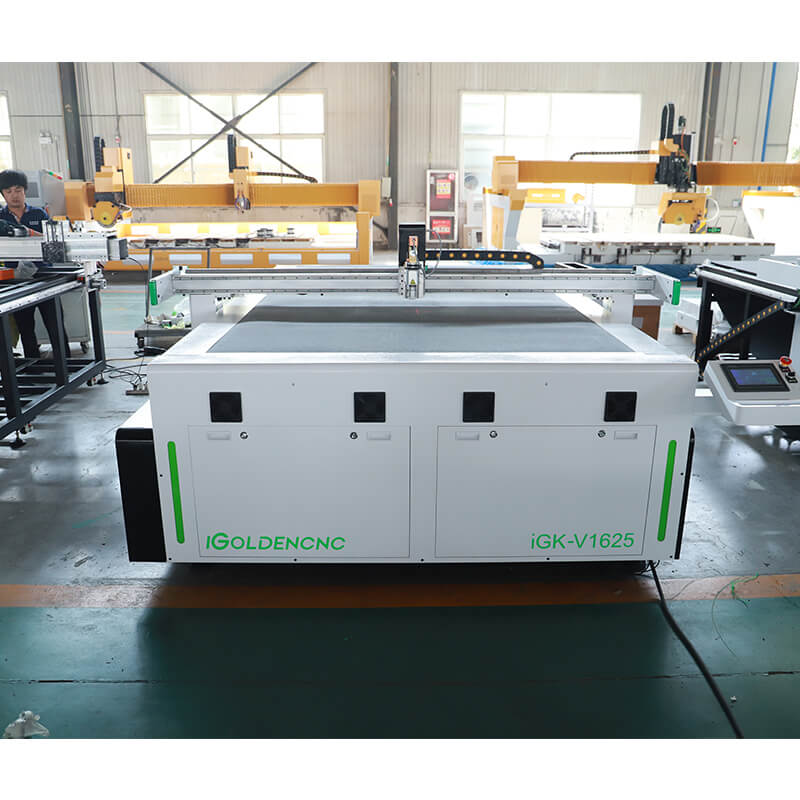
Different materials require different cutting methods. Fabric, leather, foam, cardboard, rubber, insulation materials, gasket sheets, advertising boards, and composite materials may all require different knives or tool configurations.
Understanding the types of tools compatible with CNC oscillating knife cutting machines is therefore essential when choosing a digital cutting system.
This guide explains the most common CNC knife cutting tools, their applications, compatible materials, and how to select the right tool for your production needs.
Why Are Different Tools Needed?
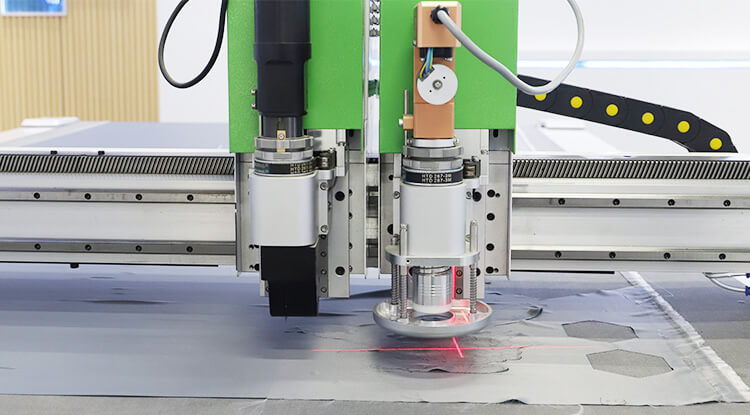
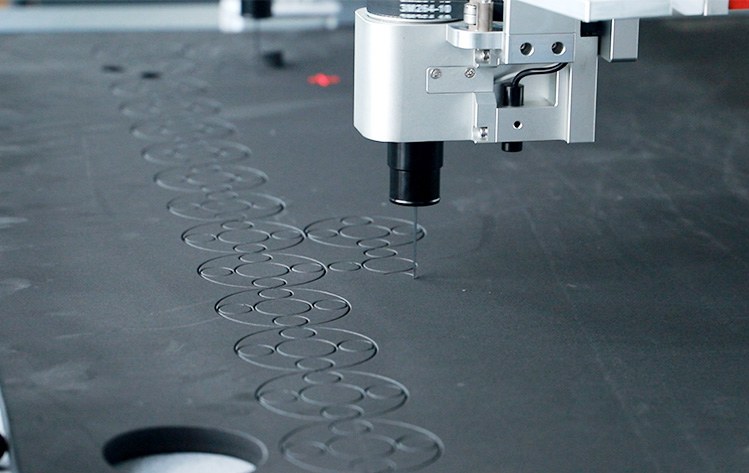
CNC oscillating knife cutting machines can be equipped with a variety of tools, which differ significantly in working principles, power types, and applicable materials. Each tool has unique advantages and characteristics when cutting different materials. Selecting the appropriate tool type for specific processing needs can maximize the efficiency of the oscillating knife cutting machine.
-
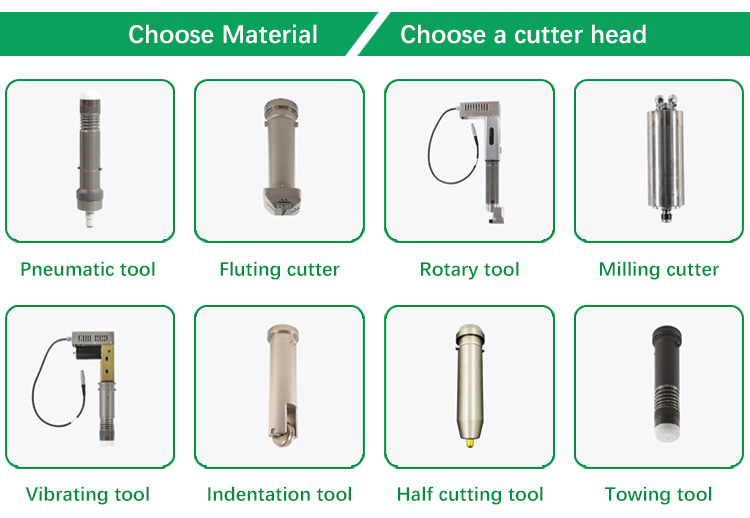
Electric Oscillating Tangential Knife
- This is the most commonly used tool on oscillating knife cutting machines. It uses a servo motor to drive the blade for high-frequency up-and-down oscillations (up to 24,000 oscillations per minute) to cut materials. Blades with angles such as 45°, 26°, and 16° can be installed to cut materials of different thicknesses. It is suitable for processing high-density materials under 5mm, such as non-woven fabric, waterproof cloth, rubber, EVA foam, leather, and fabric.
-
Pneumatic Oscillating Tangential Knife
- This tool uses compressed air to drive the blade’s oscillation. Compared to the electric oscillating knife, it has a larger oscillation amplitude but a relatively lower frequency, providing stronger cutting force. It is suitable for cutting thicker and harder materials, with a maximum cutting thickness of 110mm. It can meet the needs of cutting multiple layers of material at once and is particularly suitable for thick rubber pads, honeycomb cardboard, foam boards, thick foam, and thick sponge.
-
Bevel Cutting Knife
- This tool can achieve V-groove cutting. It is equipped with two blades of different sizes, and the cutting effect can be adjusted by changing the blade installation angle. Supported blade angles include 30°, 45°, 60°, 75°, and 90°. It can cut V-grooves with specific angles and depths on the material surface, facilitating subsequent folding. It is suitable for processing foam cores, sandwich panels, insulation boards, soundproof panels, honeycomb boards, and corrugated cardboard.
-
Drag Knife
- The drag knife cuts by contacting and dragging the material surface. Unlike the oscillating knife, it does not require up-and-down oscillations. Instead, it relies on the blade’s downward pressure and dragging motion (similar to a utility knife). It offers faster cutting speeds and smoother edges compared to the oscillating knife, making it suitable for cutting PVC, PET, coated paper, cardstock, carpets, and soft glass.
-
Rotary cutting knife
- Similar to a saw blade, this tool uses a motor to drive the blade’s high-speed rotation for cutting. It offers fast cutting speeds and high edge smoothness, making it suitable for cutting single-layer or breathable materials such as non-woven fabric, textile fabrics, fiberglass, mesh cloth, and canvas.
-
Half-Cut Knife
- This tool is used for semi-cutting processes, where only the surface of the material is cut without fully penetrating it. It is widely used for products that require the base material to remain intact, such as adhesive labels, sticker backings, and photo backings.
-
Creasing Wheel
- A specialized auxiliary tool used to create creases or fold lines on the material surface. It uses a motor to control the up-and-down motion of the wheel, forming precise fold lines or creases on the material surface without penetrating it. It is suitable for processing corrugated boxes, airplane boxes, cardboard, and cardstock. Options include V-type and U-type creasing wheels.
-
Punching Knife
- Specifically designed for punching holes in materials, with hole diameters ranging from 0 to 10mm. It is used for quick hole punching in automotive seat cushions, packaging, and textiles.
-
Marking Tools
- Including inkjet tools and writing pens, these tools can mark product numbers or names on the material surface, facilitating product identification and tracking.
-
Milling Cutter
- Milling cutters can be used for rapid cutting and processing of materials (usually installed on high-speed air-cooled spindles). They are suitable for cutting hard materials that cannot be processed by standard oscillating knives, such as MDF boards, rigid PVC boards, wooden boards, and plywood.
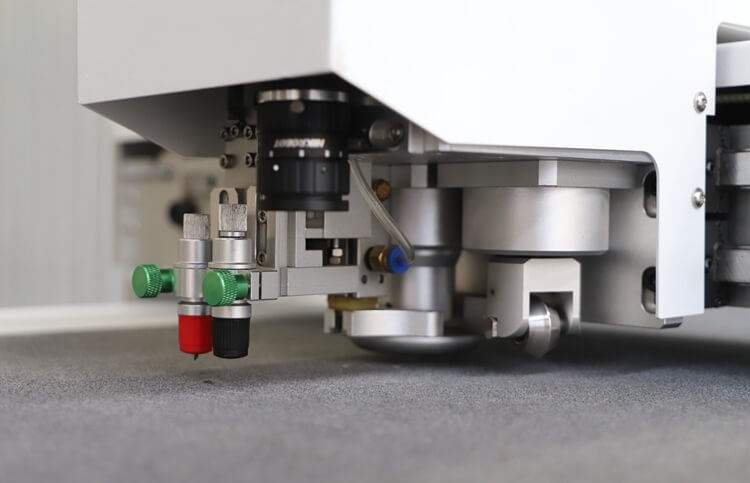
Automatic Tool Change vs Manual Tool Change
CNC digital cutting machines can have different tool-change configurations.
Manual Tool Change
The operator manually changes the tool according to the material.
Advantages include:
- Simple configuration
- Lower equipment complexity
- Suitable for small production
Automatic Tool Change
An automatic tool-change system can select the appropriate tool according to the programmed operation.
Advantages can include:
- Reduced setup time
- Higher automation
- Multiple operations
- Improved production efficiency
Automatic tool changing is particularly useful for businesses processing multiple materials or producing complex products.
How to Choose the Right Tool for a CNC Knife Cutter
Consider these factors before selecting a tool.
Material Type
Identify whether you are cutting:
- Fabric
- Foam
- Rubber
- Leather
- Cardboard
- Plastic
- Composite materials
Material Thickness
Tool requirements can change significantly as thickness increases.
A tool suitable for a 2 mm sheet may not be appropriate for a 20 mm foam board.
Material Hardness
Soft foam, flexible fabric, rubber, and rigid board require different cutting approaches.
Required Edge Quality
If the application requires a very clean edge, tool selection and cutting parameters become particularly important.
Production Speed
High-volume production may require a more powerful oscillating knife or specialized tool.
Shape Complexity
For sharp corners and complex contours, tangential control can be beneficial.
Additional Operations
If you need cutting plus creasing, marking, or V-grooving, consider a multi-tool CNC cutting system.
Conclusion
Understanding the types of tools compatible with CNC oscillating knife cutting machines is essential for achieving the best cutting results.
The most common tools include:
- Oscillating knife
- Electric oscillating knife
- Pneumatic oscillating knife
- Tangential knife
- Drag knife
- V-cut tool
- Creasing wheel
- Perforation tool
- Rotary knife
- Kiss-cut tool
- Marking pen
- Punching tool
- Milling tool
Each tool is designed for specific materials and processing requirements.
For fabric, leather, foam, rubber, carpet, felt, insulation materials, and sound-absorbing panels, oscillating knives are often an effective choice.
For packaging and display production, combining knife cutting with creasing, perforation, or V-cutting can provide a more complete digital workflow.
For manufacturers handling multiple materials, a multi-tool CNC digital cutting machine can provide the flexibility to switch between different processing methods without purchasing a separate machine for every application.
Ultimately, the right tool depends on material type, thickness, hardness, shape complexity, required edge quality, production speed, and additional processing requirements.
If you are selecting a CNC oscillating knife cutting machine, it is recommended to provide your actual materials and product drawings for testing. This allows the machine configuration and tool combination to be selected according to your specific production needs.

IGOLDEN BLOG
Thank you for visiting the iGOLDENCNC website. iGOLDENCNC is the professional supplier of CNC machinery application solution, within the business of producing and selling CNC machinery and accessories.