
Buyer Guide
Flatbed Plotters for Cutting Paper and Board
Elevate your paper and board processing with our precision flatbed plotter cutting machines. Engineered for the printing, packaging, and graphics industries, these versatile digital cutting systems deliver exceptional accuracy for prototyping, short-run production, and custom die-less cutting applications.
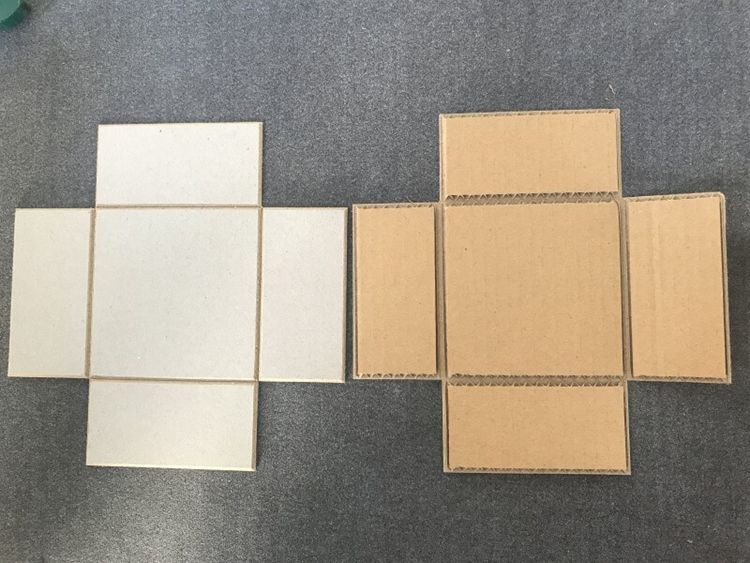
Flatbed Plotter
Flatbed plotters for cutting paper and board are advanced CNC digital cutting systems designed for high-precision cutting, creasing, kiss cutting, V-cutting, and contour cutting of paper, cardboard, corrugated board, honeycomb board, and other sheet materials. Unlike traditional die-cutting equipment, digital flatbed plotters require no physical dies, making them ideal for prototypes, short production runs, customized packaging, and on-demand manufacturing.
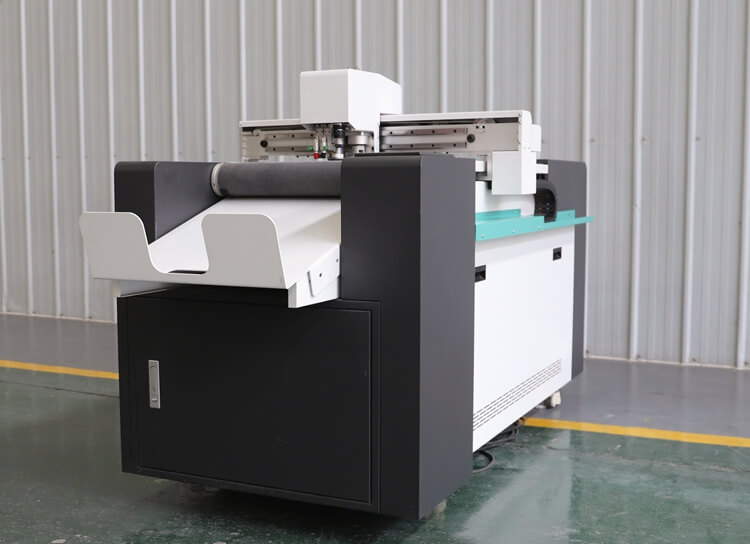
Widely used in the packaging, printing, advertising, POP display, label, and graphic design industries, these machines improve productivity, reduce production costs, and provide exceptional flexibility for modern digital manufacturing.
A flatbed cutting plotter is a computer-controlled machine that uses interchangeable tools—such as oscillating knives, drag knives, creasing wheels, and V-cut tools—to accurately process paper, cardboard, and other flexible or semi-rigid materials.
Instead of stamping materials with a steel-rule die, the machine follows digital vector files, allowing users to switch between jobs instantly without additional tooling costs.
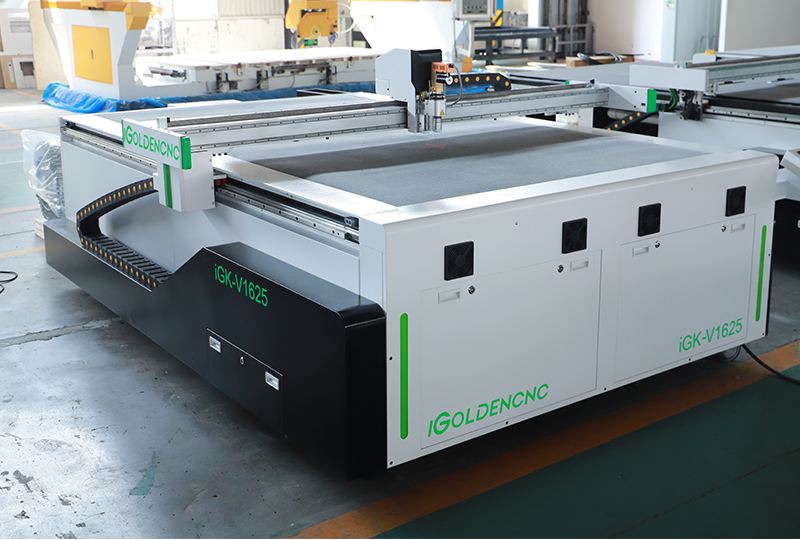
Technical Specifications
Bed Size Options: 1600x1200mm, 2000x1500mm, 2500x1800mm, 3200x2200mm Positioning Accuracy: ±0.1mm repeatability Maximum Cutting Speed: 1000mm/s (tool and material dependent) Tool Station Capacity: 2-8 tool positions available Software Compatibility: AI, PDF, DXF, HPGL file formats Registration System: Optical camera for printed material alignment
Main Processing Functions
- Full cutting
- Kiss cutting
- Contour cutting
- Creasing
- V-grooving
- Half cutting
- Perforating
- Marking and drawing
Advanced Flatbed Cutting Technology
Digital Die-Less Cutting System
Our flatbed plotter cutting machine eliminates the need for expensive steel rule dies, enabling instant design changes and rapid prototyping. Import digital designs directly and begin cutting within minutes, dramatically reducing lead times for new packaging designs.
Multi-Tool Cutting Head
Equipped with interchangeable tooling options, the system handles cutting, creasing, perforating, and drawing operations in a single pass, streamlining your production workflow for complex packaging and display projects.
Precision Vector Cutting
Advanced servo-driven motion control ensures accurate tracking of complex vector paths, delivering consistent quality across intricate shapes, fine details, and tight tolerances required for premium packaging applications.
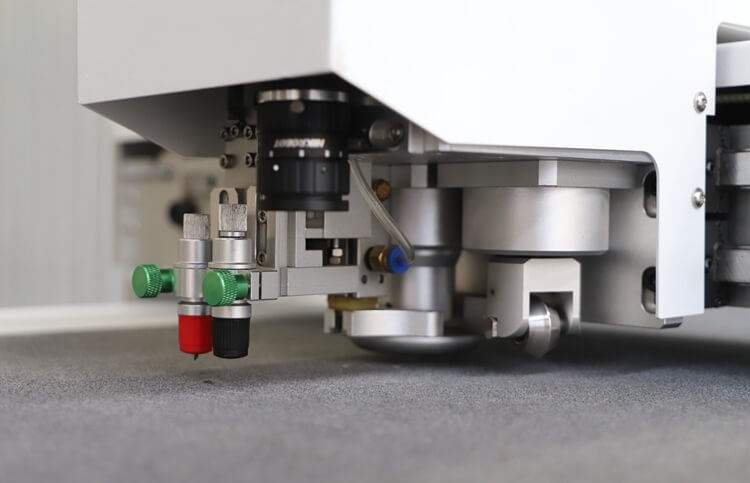
How Does a Flatbed Plotter Work?
The workflow is simple and highly efficient.
Step 1 – Create the Design
Design the packaging or graphics using software such as:
- Adobe Illustrator
- CorelDRAW
- AutoCAD
- ArtiosCAD
- Esko software
Step 2 – Import the File
The vector file (DXF, AI, PLT, PDF, etc.) is sent directly to the machine.
Step 3 – Automatic Tool Selection
Depending on the material and process, the machine automatically uses the appropriate cutting or creasing tool.
Step 4 – Digital Cutting
The plotter performs:
- Precision cutting
- Folding line creasing
- Contour cutting
- V-cutting
- Perforation
Step 5 – Finished Product
The finished components are ready for folding, assembly, printing, or shipping.
Industry Applications
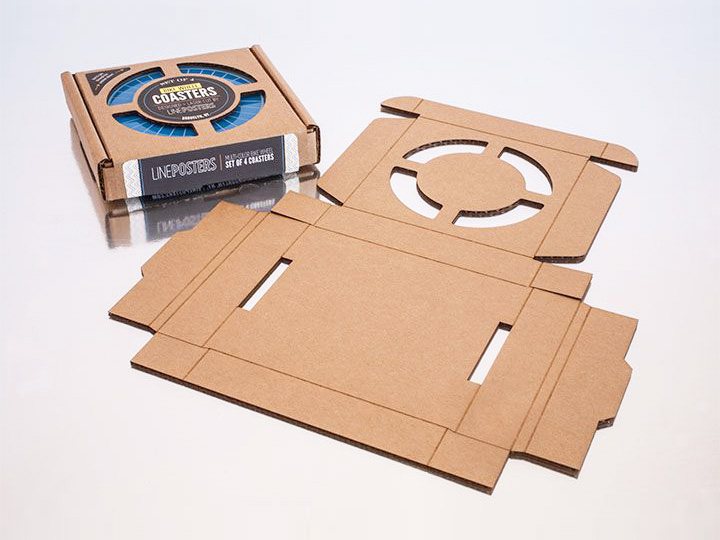
Packaging Prototyping & Sampling
Perfect for developing new packaging concepts, testing structural designs, and producing sales samples before committing to production tooling. Iterate designs rapidly without die investment.
Short-Run & Custom Packaging
Ideal for limited edition packaging, seasonal promotions, and custom orders where traditional die-cutting isn’t cost-effective due to lower volume requirements.
Point-of-Purchase Displays
Create eye-catching retail displays, counter units, and promotional materials with precise cutting and creasing for professional assembly and presentation.
Graphic Arts & Signage
Excellent for mounted graphics, presentation boards, exhibition materials, and specialty printing applications requiring precise trim and finishing.
Direct Mail & Specialty Printing
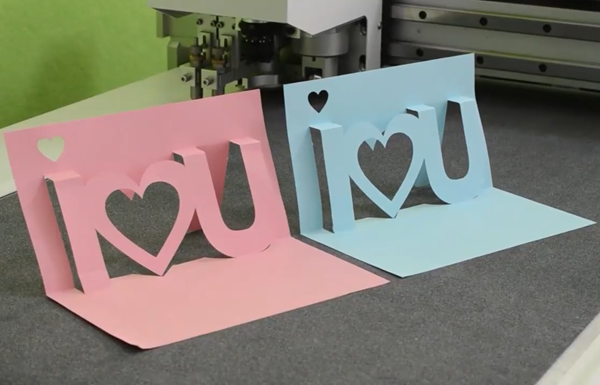
Streamline production of die-cut mailers, greeting cards, invitations, and specialty printed products with custom shapes and folding lines.
Model Making & Prototyping
Support product development and architectural modeling with precise cutting capabilities for concept development and presentation models.
Advantages of Flatbed Plotters
- No die-making costs
- High cutting accuracy
- Fast job changeovers
- Excellent material utilization
- Reduced labor requirements
- Flexible production
- Ideal for prototypes and short-run manufacturing
- Consistent, repeatable quality
Key features of flatbed plotters for cutting paper and cardboard:
Flatbed plotters come equipped with a variety of features that increase their efficiency, precision, and versatility. Here are some of the key features to look for when choosing a flatbed plotter for cutting paper and board:
Precision and Accuracy: Flatbed plotters can cut with extreme precision, often to a fraction of a millimeter. This is critical in industries such as packaging or print production, where precise cuts are essential to the functionality and appearance of the final product.
Vacuum Table: A vacuum system is used to hold the material flat on the bed during the cutting process. This is particularly useful when cutting lightweight or thin materials such as paper and cardboard, preventing any movement that could cause inaccurate cuts.
Multiple Cutting Heads: Many flatbed plotters allow for interchangeable cutting heads. A single machine can use different types of cutting tools to handle a variety of materials or achieve different effects.
Material Handling: Some advanced plotters come with automatic material feeding and unloading systems that can improve workflow efficiency. These systems can automatically load, position, and unload materials, reducing manual labor.
Customizable Cutting Paths: By using vector-based software, users can create custom cutting paths that are highly detailed and tailored to the specific needs of their projects.
Speed and Efficiency: Modern flatbed plotters offer fast cutting speeds without sacrificing precision. For high-volume jobs, these machines can significantly reduce production time.
Flatbed plotters are essential tools for high-precision, versatile cutting of paper and board. Whether used for package design, prototyping, signage or custom invitations, these machines offer significant advantages over traditional cutting methods. Their speed, accuracy and flexibility in handling a wide range of materials and cutting tasks make them a valuable asset in industries where custom shapes and intricate designs are critical.
As technology advances, flatbed plotters continue to evolve, offering enhanced features that further streamline production processes, reduce costs, and increase efficiency. As digital cutting technology continues to improve, the potential applications for flatbed plotters will only continue to grow.

IGOLDEN BLOG
Thank you for visiting the iGOLDENCNC website. iGOLDENCNC is the professional supplier of CNC machinery application solution, within the business of producing and selling CNC machinery and accessories.